Water Leak Detection in Denver, CO
Water leak detection services involve identifying the source of hidden leaks within a property’s plumbing or infrastructure. This service is commonly requested for projects such as detecting leaks behind walls, under floors, or within underground pipes, as well as locating dripping faucets, running toilets, or underground water line issues. Property owners typically seek this service to prevent water damage, reduce water bills, or address unexplained dampness or mold growth, ensuring the integrity of their home’s structure and plumbing systems.
Before requesting water leak detection, property owners usually want to understand the potential causes of leaks and the areas that may be affected. It’s helpful to have information about recent plumbing repairs, unusual water usage, or signs of moisture problems. Clear communication about the specific concerns and suspected trouble spots can assist in accurately diagnosing the issue, allowing for targeted and efficient detection efforts.
Many property owners in Denver, CO look into Water Leak Detection for repairs, replacements, upgrades, and appearance-related improvements.
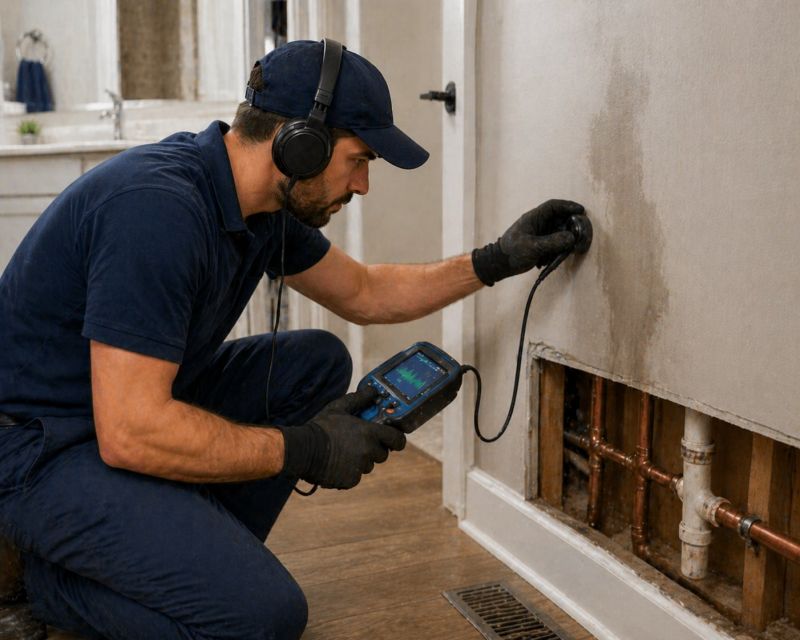
Identifying Hidden Leaks
Leak detection helps find concealed plumbing issues behind walls and under floors.
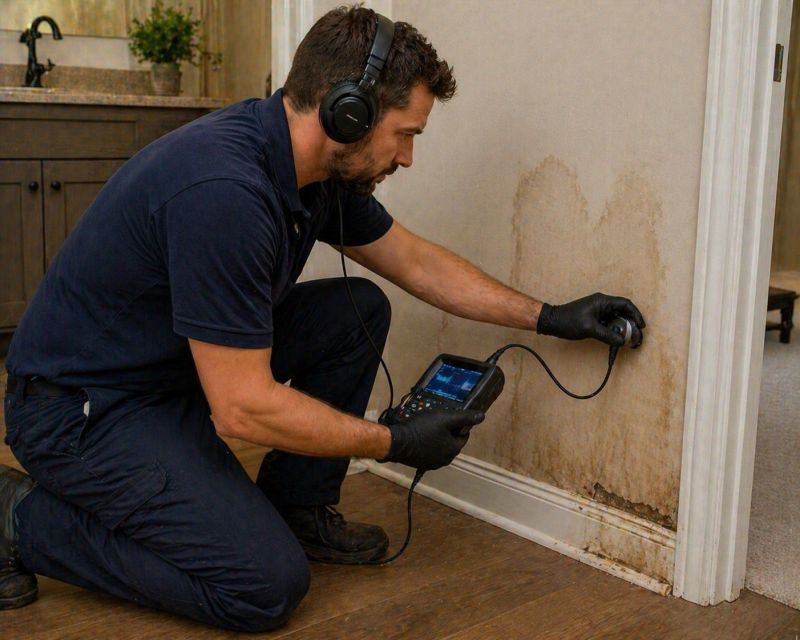
Preventing Water Damage
Early detection can prevent costly repairs caused by unnoticed water leaks in homes and businesses.
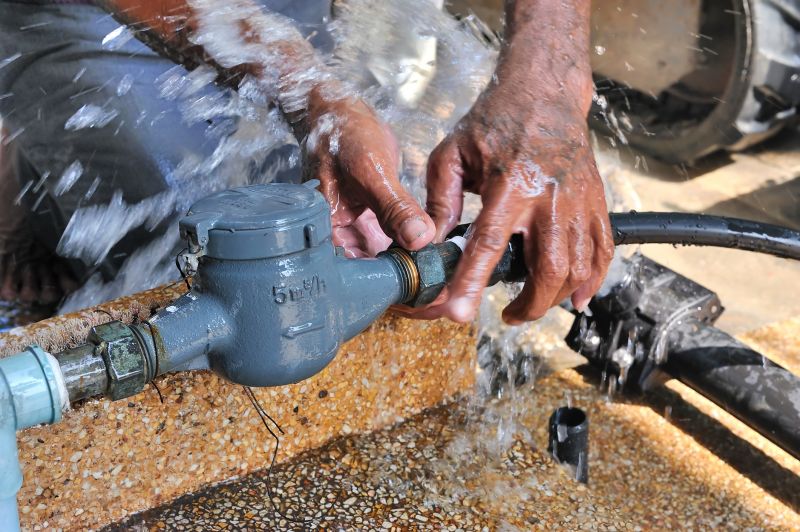
Advanced Detection Techniques
Utilizing modern tools ensures accurate location of leaks in residential and commercial properties in denver, co.
Water Leak Detection in Denver, CO

Water leak detection services involve identifying the source of hidden leaks within a property’s plumbing or infrastructure. This service is commonly requested for projects such as detecting leaks behind walls, under floors, or within underground pipes, as well as locating dripping faucets, running toilets, or underground water line issues. Property owners typically seek this service to prevent water damage, reduce water bills, or address unexplained dampness or mold growth, ensuring the integrity of their home’s structure and plumbing systems.
Before requesting water leak detection, property owners usually want to understand the potential causes of leaks and the areas that may be affected. It’s helpful to have information about recent plumbing repairs, unusual water usage, or signs of moisture problems. Clear communication about the specific concerns and suspected trouble spots can assist in accurately diagnosing the issue, allowing for targeted and efficient detection efforts.
Many property owners in Denver, CO look into Water Leak Detection for repairs, replacements, upgrades, and appearance-related improvements.
Common Water Leak Detection Jobs
Pipe Leak Detection - pinpointing hidden leaks within plumbing systems to prevent water damage.
Slab Leak Detection - identifying leaks beneath concrete slabs to avoid foundation issues.
Bathroom Leak Detection - locating leaks in fixtures and behind walls to prevent mold growth.
Roof Leak Detection - finding leaks that originate from roof penetrations or damaged shingles.
Water Line Leak Detection - detecting leaks in underground water supply lines to conserve water.
Appliance Leak Detection - identifying leaks caused by appliances like dishwashers and washing machines.
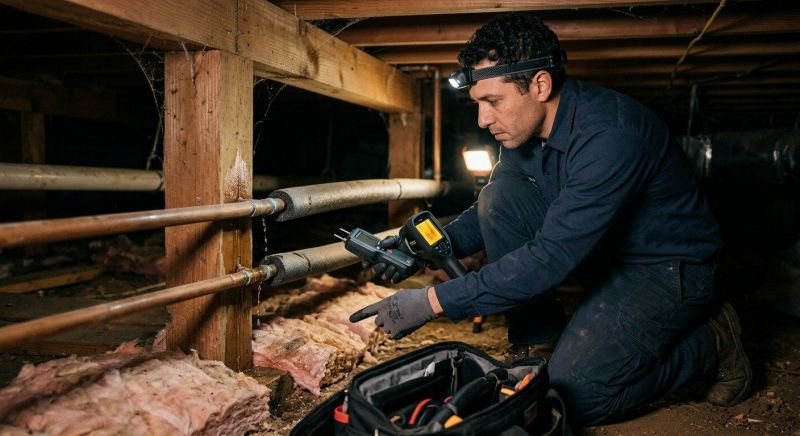
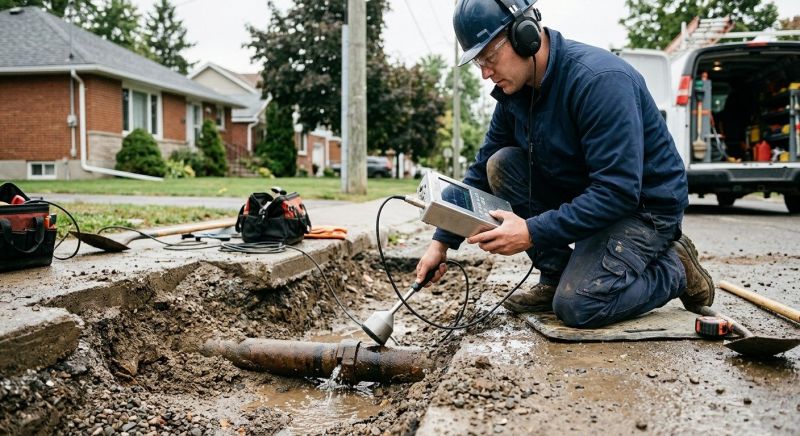
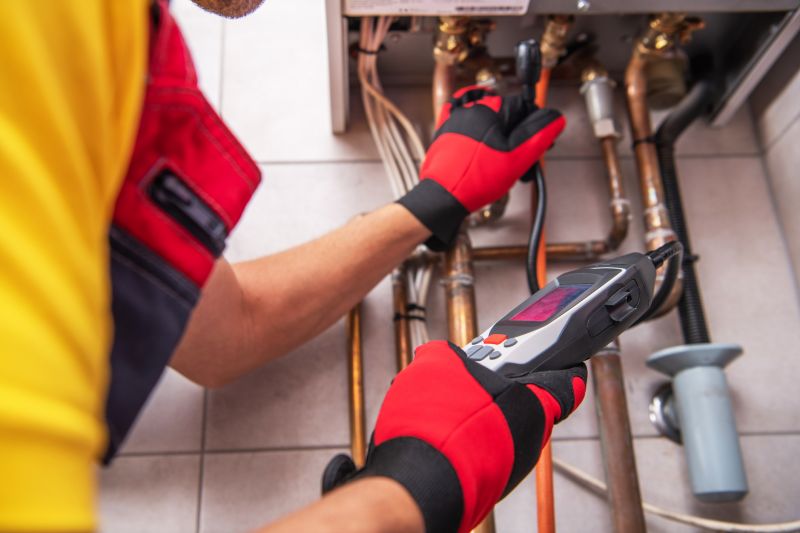
Water Leak Detection Questions
How can I tell if I have a water leak? Signs include unexplained increases in water bills, damp spots on walls or floors, and the sound of running water when fixtures are off.
What areas are checked during leak detection? Common areas include plumbing behind walls, under floors, in basements, and around appliances like water heaters and toilets.
Is water leak detection invasive? Techniques often involve non-invasive methods such as electronic listening devices and moisture meters, minimizing property disruption.
Why is early leak detection important? Detecting leaks early helps prevent water damage, mold growth, and costly repairs down the line.
Request Water Leak Detection in Denver, CO
Use the quote form on this page to share the basics of your project and request more information for the type of work you need.