Get Backflow Repair
Backflow repair services help property owners fix and prevent issues with contaminated water flow, typically involving pipe repairs, replacements, and system testing.
If you're experiencing issues with your property’s backflow prevention system or need routine maintenance, you’re in the right place to explore options for professional backflow repair services. Property owners often seek this work to ensure their water supply remains safe and free from contamination, comply with local regulations, or prevent potential property damage caused by backflow issues. Understanding the importance of reliable, properly functioning backflow prevention can help you plan your next steps with confidence.
Finding the right local service providers for backflow repair involves comparing experienced contractors who understand the specific needs of properties in your area. By exploring your local options, you can identify qualified professionals capable of handling the job efficiently and effectively. Keep reading to discover how to connect with trusted local contractors who can help maintain the safety and integrity of your water system.
- Backflow Testing - needed when property owners want to ensure their backflow prevention devices are functioning properly.
- Backflow Device Installation - required when installing new backflow preventers to protect water supplies from contamination.
- Backflow Device Repair - necessary when existing backflow preventers are malfunctioning or showing signs of failure.
- Backflow System Inspection - recommended for routine checks to maintain compliance and prevent potential water contamination issues.
- Backflow Prevention Services - sought when upgrading or replacing outdated backflow prevention systems to meet current standards.
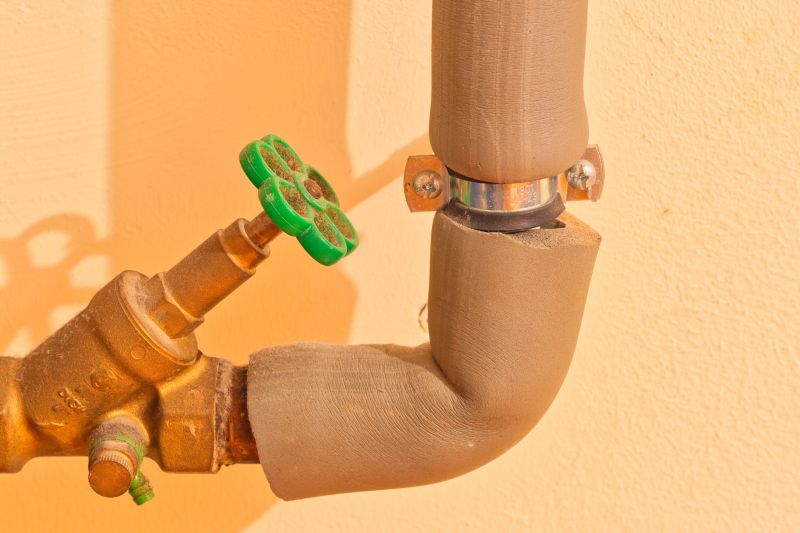
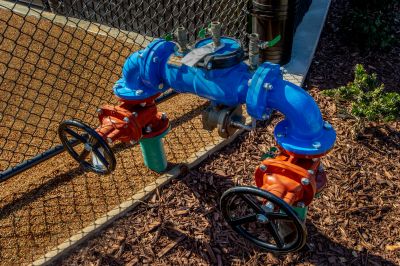
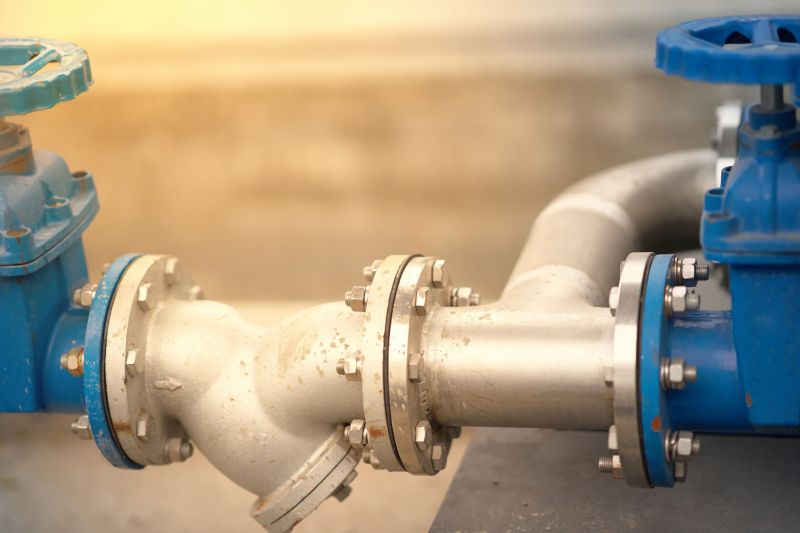
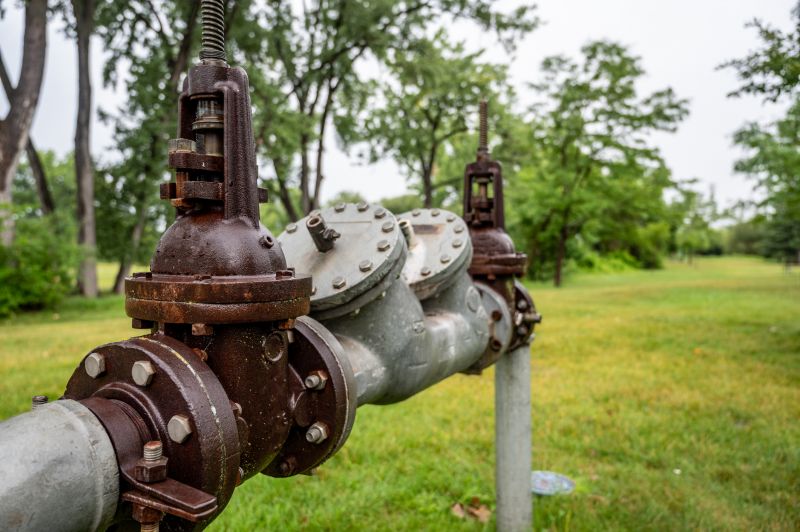
Backflow repair services involve fixing and maintaining devices that prevent contaminated water from flowing backward into a property's clean water supply. These devices, known as backflow preventers, are installed in plumbing systems to ensure that water flows in only one direction, protecting drinking water from potential pollutants. When a backflow preventer malfunctions or becomes damaged, it can compromise water safety, making repairs essential to restore proper function and maintain water quality.
Common problems that lead to backflow repair needs include worn-out parts, corrosion, or damage caused by freezing temperatures or heavy use. Signs that a backflow preventer may need attention include unexpected water pressure changes, foul odors, or visible leaks around the device. Addressing these issues promptly helps prevent health hazards and property damage, ensuring that the water supply remains safe and reliable for everyday use.
Backflow repair services are typically needed for a variety of property types, including residential homes, commercial buildings, and industrial facilities. Homes with irrigation systems, well water connections, or fire suppression systems are especially vulnerable to backflow issues. Commercial properties such as restaurants, offices, and manufacturing plants often rely on backflow preventers to meet health and safety regulations, making regular inspections and repairs an important part of property maintenance.
Understanding when backflow repair is necessary can help homeowners and property managers maintain a safe water system. If there are signs of malfunction or if a backflow preventer has been damaged or compromised, contacting local service providers for inspection and repair is recommended. These professionals can evaluate the system, identify problems, and perform the needed repairs to ensure the water supply remains clean, safe, and compliant with local standards.
The overview below groups typical Backflow Repair projects into broad ranges so you can see how smaller, mid-sized, and larger jobs often compare in your area.
In many markets, a large share of routine jobs stays in the lower and middle ranges, while only a smaller percentage of projects moves into the highest bands when the work is more complex or site conditions are harder than average.
Smaller Repairs - typical costs for routine backflow repairs usually range from $250 to $600. Many common issues fall within this middle range, making it the most frequent project size handled by local contractors.
Moderate Replacements - replacing a backflow device or fixing multiple components can cost between $600 and $1,500. Larger, more involved jobs in this range are less common but still represent a significant portion of projects.
Full System Replacement - complete backflow system replacements typically range from $2,000 to $5,000 or more. These larger projects are less frequent and usually involve complex or older plumbing setups.
Complex or Emergency Repairs - highly complex or emergency backflow repairs can exceed $5,000, depending on the scope and severity of the issue. Such projects are less common but are handled by experienced local service providers when needed.
Actual totals will depend on details like access to the work area, the scope of the project, and the materials selected, so use these as general starting points rather than exact figures.
Pipe Repair and Replacement - Local contractors skilled in pipe repair and replacement work on underground plumbing systems similar to backflow prevention setups.
Water Line Installation - Installing and repairing water lines requires knowledge of plumbing layouts and tools comparable to those used in backflow device servicing.
Valve Repair Services - Repairing and replacing various plumbing valves involves similar planning and tool use as backflow prevention device maintenance.
Drain and Sewer Line Services - Clearing, repairing, or replacing drain and sewer lines involves plumbing skills comparable to backflow system work.
Hydro Jetting and Pipe Cleaning - Using high-pressure water tools to clean pipes shares techniques with backflow device testing and maintenance.
Fixture Installation and Repair - Installing or repairing plumbing fixtures involves similar planning and tool use as backflow prevention system work.
When comparing service providers for backflow repair, it’s important to consider their experience with similar projects. Homeowners should look for local contractors who have a proven track record of handling backflow issues comparable to their specific needs. Asking about the types of systems they’ve worked on and the complexity of past repairs can provide insight into their familiarity and expertise, helping to ensure the chosen professional can effectively address the job at hand.
Clear, written expectations are a key factor in selecting a reliable backflow repair service. Homeowners should seek out providers who can offer detailed descriptions of the scope of work, the materials to be used, and the estimated process involved. Having this information in writing helps establish transparency and ensures that both parties have a shared understanding of what the project entails, reducing potential misunderstandings or surprises during the repair process.
Reputable references and good communication are essential when evaluating local contractors. Pros with positive feedback from previous customers and a reputation for clear, responsive communication are more likely to deliver a satisfactory experience. Homeowners should inquire about references or reviews, and observe how promptly and thoroughly the service provider responds to questions. While the site introduces homeowners to local options, it is important to remember that the actual work will be performed by trusted local service providers who can be contacted directly to discuss their qualifications and approach.
Property owners use Backflow Repair services for practical projects around their homes and businesses. This guide focuses on everyday jobs and straightforward project options.
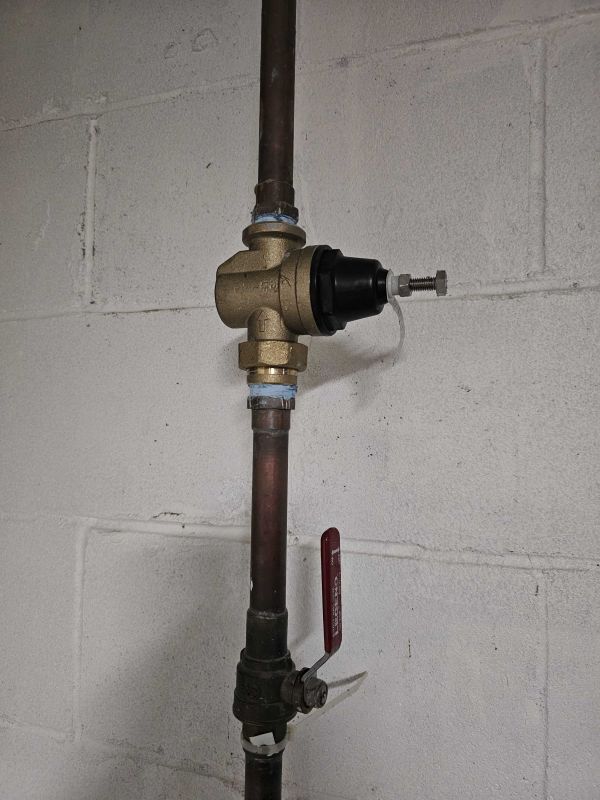
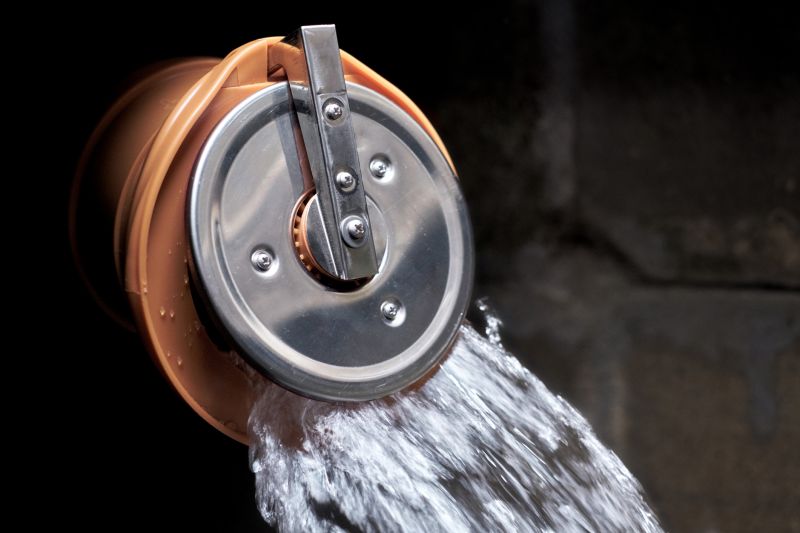
Backflow repair services are often needed when property owners notice issues with their water supply, such as unexpected odors, discoloration, or a sudden drop in water pressure. These problems can indicate a potential backflow problem, which could compromise the safety and quality of the drinking water. Local contractors who specialize in backflow repair can assess the situation, identify the source of the issue, and provide the necessary repairs to restore proper water flow and prevent contamination.
In addition, property owners may seek backflow repair after routine inspections or as part of regular maintenance to ensure their plumbing systems meet local standards. Sometimes, backflow prevention devices may malfunction or become outdated, requiring professional attention to keep the water supply safe. Local service providers are available to handle these repairs efficiently, helping homeowners and business owners maintain a reliable and safe water system.
What is backflow, and why does it need repair? Backflow occurs when contaminated water flows in the reverse direction into a clean water supply, which can pose health risks. Local contractors can identify and fix backflow issues to ensure water safety and compliance.
How can I tell if I have a backflow problem? Signs of backflow issues may include foul odors, discolored water, or inconsistent water pressure. Professional service providers can perform tests to confirm if backflow repair is needed.
What types of backflow repair services are available? Local service providers offer a range of backflow repair services, including valve replacement, system testing, and installation of backflow prevention devices.
Is backflow repair necessary for all properties? Backflow repair is essential for properties with irrigation systems, fire suppression systems, or other setups that can cause water to flow backward, helping to prevent contamination.
How do I find qualified local contractors for backflow repair? To find capable service providers, consider using a lead generation platform that connects homeowners with local contractors experienced in backflow repair services.
Backflow Prevention Inspection - Regular inspections help property owners ensure their backflow prevention devices are functioning properly to protect water quality.
Backflow Device Replacement - Replacing outdated or damaged backflow preventers can prevent potential water contamination in residential or commercial properties.
Backflow System Installation - Installing new backflow prevention systems can safeguard a property’s water supply during plumbing upgrades or new construction projects.
Backflow Repair Services - Repairing existing backflow preventers addresses issues before they cause water flow problems or health hazards.
If you are thinking about Backflow Repair for a property, this guide is meant to help you understand the work, the typical project types, and how different options might fit your plans.
When you are ready, you can use the quote form on this page to share a few details about your project. From there, local pros can review the basics and respond with options that match what you have in mind.